
Tax Planning for Newborns: Start the Right Way From Day One
A new baby changes your taxes starting the year they're born. From getting a Social Security number to claiming the Child Tax Credit, here's your year-one checklist.

A new baby changes your taxes starting the year they're born. From getting a Social Security number to claiming the Child Tax Credit, here's your year-one checklist.

Home energy improvements can earn you federal tax credits worth thousands. Here's what qualifies under the Residential Clean Energy Credit and Energy Efficient Home Credit.

Your tax bracket isn't the rate you pay on all your income. Here's how marginal rates, effective rates, and bracket thresholds actually work in 2025.

Millions of Americans qualify to file their federal taxes for free through IRS Free File—but most don't know it. Here's who qualifies and how to get started.

Inflation pushes wages up—but that can quietly push you into a higher tax bracket. Here's how bracket creep works and how the IRS adjusts brackets each year.
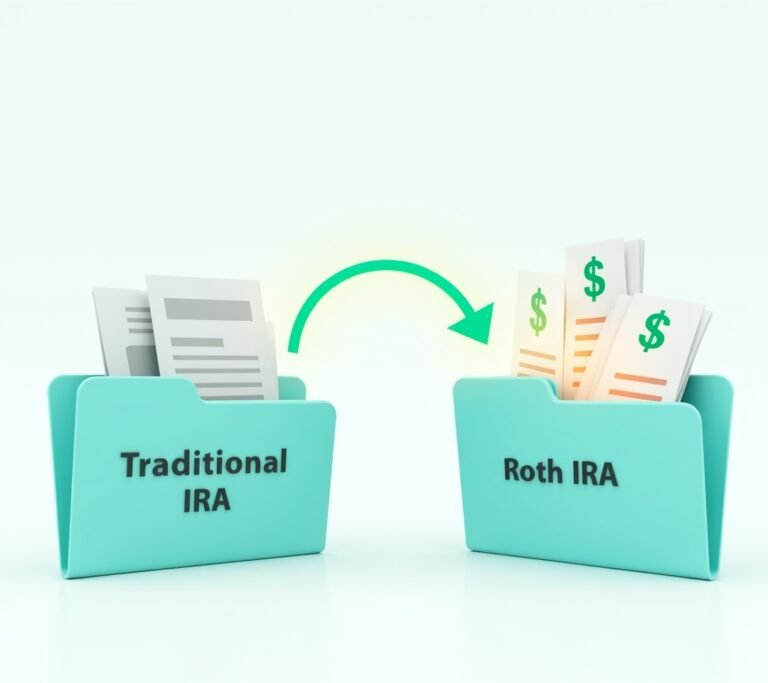
A Roth conversion means paying taxes now to enjoy tax-free withdrawals later. Here's when it makes sense, how to size the conversion, and what to watch out for.

Investing capital gains into a Qualified Opportunity Zone can defer—and potentially reduce—your tax liability. Here's how the program works and who should consider it.

The $10,000 SALT cap hits hardest in high-tax states. Here's how the limitation works, which taxpayers feel it most, and the planning strategies to offset it.

A donor-advised fund lets you take a big tax deduction now and distribute gifts to charity over time. Here's how DAFs work and why they're a top planning tool.