Advertisements

How to Read a W-2 Form (Without Losing Your Mind)
Here’s a fun stat for you — roughly 150 million W-2 forms get sent out every single January. And I’d bet good money that at least half the people who receive them just glance at the total wages number and toss it aside. I know because I used to be one of those people!
Understanding how to read a W-2 form is honestly one of those life skills nobody teaches you in school, but everybody needs. Whether you’re filing your own taxes for the first time or you’ve been doing it for twenty years, knowing what each little box means can save you from costly mistakes. Trust me, I learned that the hard way back in 2017 when I accidentally reported the wrong income amount because I was reading the wrong box.
What Exactly Is a W-2 Form?
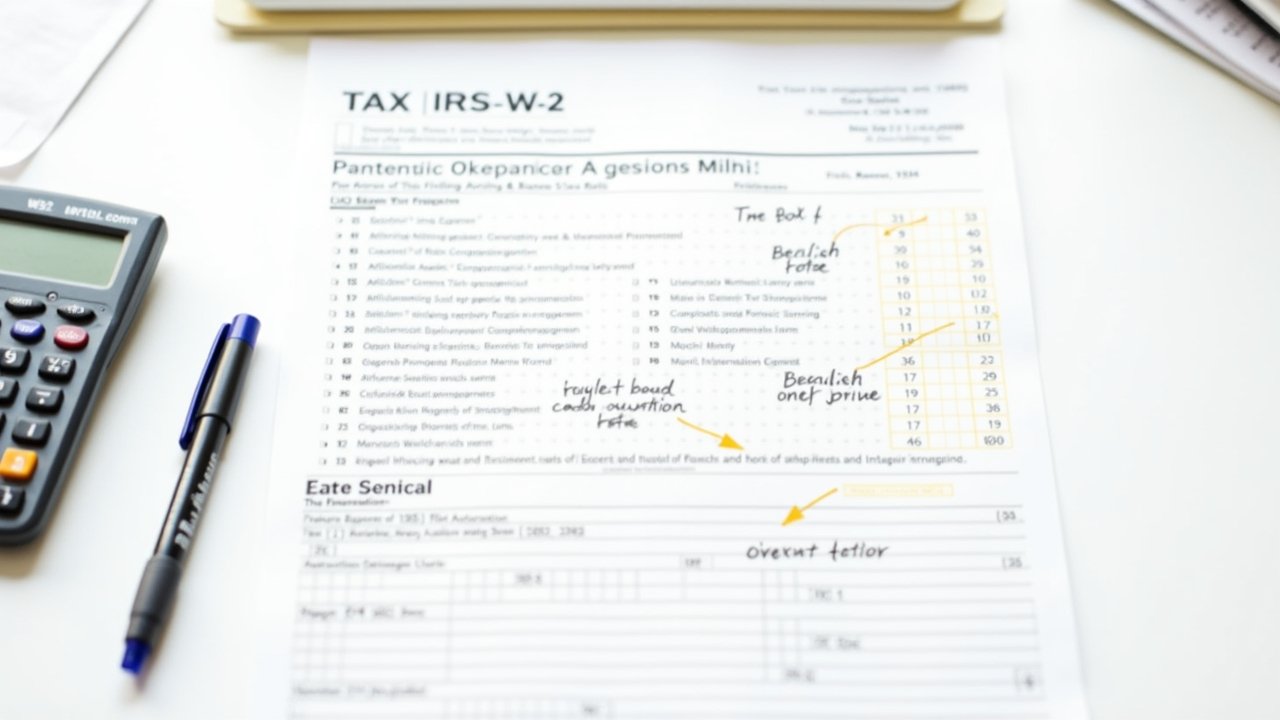
A W-2, officially called the Wage and Tax Statement, is the form your employer sends you every year summarizing how much you earned and how much was withheld in taxes. Your employer is required to send it by January 31st. If you haven’t gotten yours by mid-February, definitely bug your HR department about it.
You’ll typically receive multiple copies — one for your federal return, one for your state return, and one for your records. Don’t throw any of them away until your taxes are fully filed and accepted.
The Boxes That Actually Matter Most
Okay, so when you first look at a W-2, it can feel overwhelming with all those tiny boxes. Let’s break down the ones you really need to pay attention to.
Boxes A Through F: The Identity Stuff
These top boxes contain your personal info and your employer’s info. Box A is your Social Security number, and Box B is your employer’s EIN (Employer Identification Number). Always double-check that your name and SSN are correct here — I once had a coworker whose last name was misspelled, and it delayed her refund by like six weeks.
Box 1: Wages, Tips, and Other Compensation
This is the big one. Box 1 shows your total taxable income from that employer. Now here’s where people get confused — this number might not match your actual salary because pre-tax deductions like 401(k) contributions and health insurance premiums have already been subtracted out.
Box 2: Federal Income Tax Withheld
Box 2 tells you how much federal income tax your employer already took out of your paychecks throughout the year. This is basically what gets compared to your actual tax liability when you file. If too much was withheld, you get a refund. Too little, and well… you owe.
Advertisements
Boxes 3 Through 6: Social Security and Medicare
Boxes 3 and 4 deal with Social Security wages and tax withheld, while Boxes 5 and 6 cover Medicare wages and tax. One thing that tripped me up for years — Box 3 has a wage cap (it’s $176,100 for 2025), so if you’re a high earner, this number might be lower than Box 1. Medicare in Box 5 has no cap though.
Box 12: The Mysterious Codes
Box 12 is where things get kinda nerdy. It uses letter codes to report various things like retirement contributions, health savings account info, and employer-sponsored health coverage costs. The most common ones you’ll see are code D for 401(k) contributions and code DD for the cost of employer-sponsored health coverage. The IRS instructions page has a full list of what each code means.
Common Mistakes to Watch For
Before you file anything, always verify these things on your W-2:
- Your Social Security number is correct
- Your legal name is spelled right
- The income amounts roughly match your last pay stub of the year
- Your state wages in Box 16 look accurate
If something’s wrong, contact your employer immediately and request a corrected W-2 (called a W-2c). Don’t just file with incorrect information — that’s asking for trouble with the IRS.
You’ve Got This
Reading a W-2 form really isn’t as scary as it looks once you know what you’re looking at. The key boxes to focus on are 1, 2, and 12 — those drive most of your tax return. Take five minutes to actually review your W-2 before filing, and you’ll catch errors that could cost you real money.
Every person’s tax situation is a little different, so always adapt this info to your own circumstances. And if you want more practical tax tips and money guides written in plain English, head over to Deduction Desk — we’ve got plenty more where this came from!