
Your Child Just Turned 18: What Changes on Your Taxes
When your child turns 18 or heads to college, your tax situation shifts. Here's what changes for your return, your credits, and your dependent claim.


When your child turns 18 or heads to college, your tax situation shifts. Here's what changes for your return, your credits, and your dependent claim.

The IRS underpayment penalty hits self-employed workers who don't pay enough throughout the year. Here's how it's calculated—and how to avoid it entirely.

Up to 85% of Social Security benefits can be taxable. Here's how provisional income is calculated and the strategies retirees use to keep more of their check.
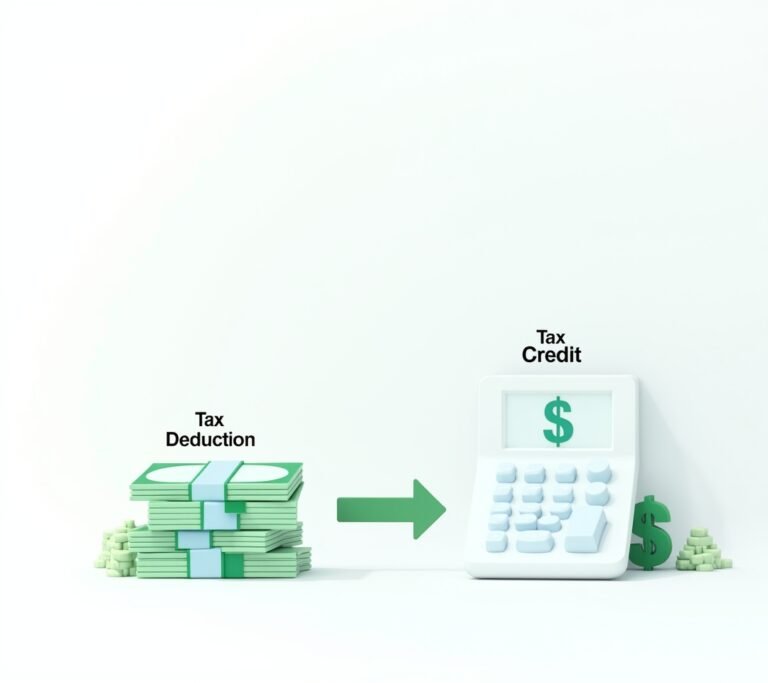
A deduction reduces your taxable income. A credit reduces your actual tax bill. Understanding the difference helps you prioritize the right strategies every year.

Most inheritances aren't taxed—but there are exceptions. Here's what the IRS expects when you receive money, property, or investments from an estate.

Switching to an S-Corp can slash your self-employment tax once you're earning enough. Here's the income threshold, the process, and what it means for your return.

You can give up to $18,000 per person per year without triggering gift tax. Here's how the annual exclusion works, when to file Form 709, and lifetime limits.

The accounting method you choose affects when income and expenses are reported. Here's the difference between cash and accrual—and which one is right for you.

Moving to a new state can trigger part-year returns, domicile questions, and new obligations. Here's how to handle your taxes the year you relocate.