
Advertisements
Moving to a New State? Here’s What Nobody Tells You About Tax Implications
Here’s a fun stat that blew my mind — roughly 8 million Americans move to a different state every single year. And I’d bet good money that most of them, like me back in 2019, don’t think about taxes until it’s way too late. When I packed up my life and moved from Illinois to Texas, I thought I was a genius dodging state income tax. Turns out, I missed a bunch of stuff that cost me real money that first filing season!
Understanding the tax implications of relocating to a new state is honestly one of the most important things you can do before you load up that U-Haul. So let me walk you through what I wish someone had told me.
You Might Owe Taxes in Two States (Yeah, Really)
This one caught me completely off guard. If you move mid-year, you’re likely considered a part-year resident in both your old state and your new one. That means you could be filing two state tax returns for the same year.
Each state wants their cut of the income you earned while living there. So if you worked in California from January through June and then moved to Nevada, California still wants taxes on those six months of earnings. It was honestly so frustrating when I realized I couldn’t just “escape” my old state’s tax obligations by crossing a border.
State Income Tax Rates Vary Wildly
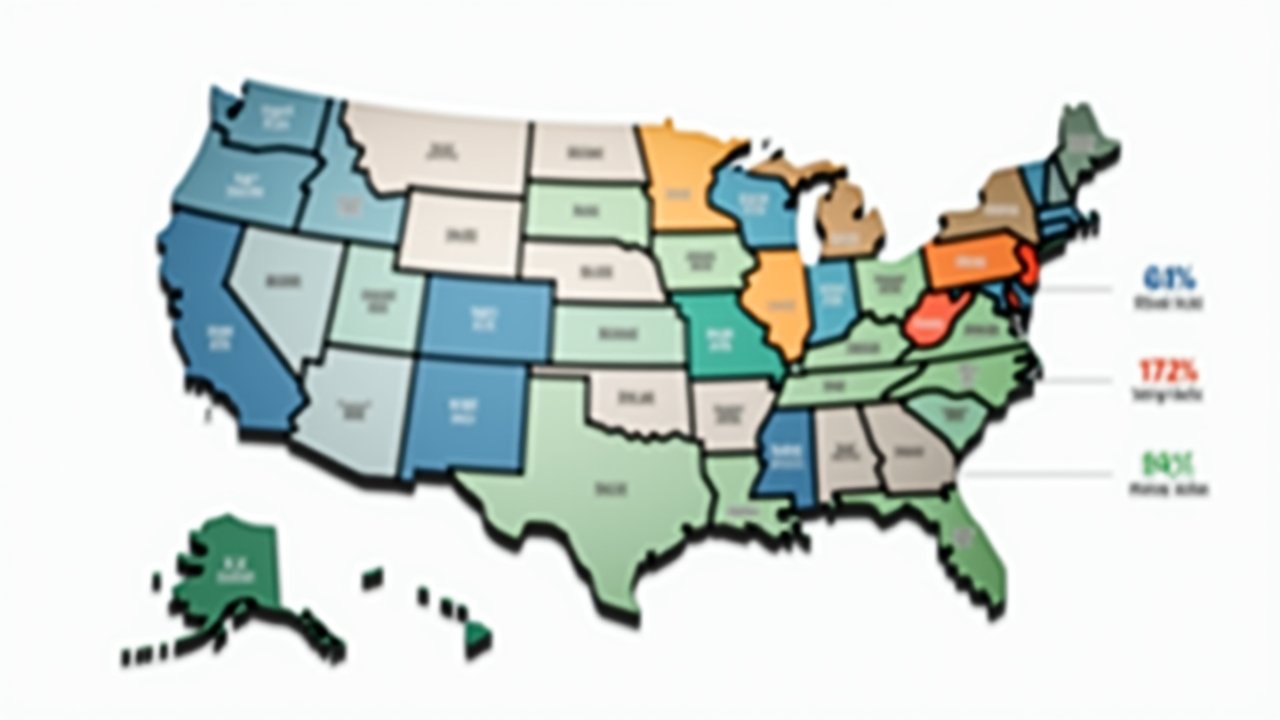
Not all states are created equal when it comes to income tax. Some states like Florida, Texas, and Wyoming have no state income tax at all, while others like California and New York can take a pretty significant bite out of your paycheck. You can check the Tax Foundation’s state tax comparison tools for a solid breakdown.
But here’s the thing — a state with no income tax might hit you harder with property taxes or sales tax. I learned this the hard way in Texas where property taxes are notoriously high. You gotta look at the full picture, not just one piece of the puzzle.
Don’t Forget About Your Domicile
Okay so “domicile” is kind of a fancy legal word, but it basically means your permanent home — the state you consider your true residence. Establishing domicile in your new state matters a lot because it determines where you’re primarily taxed. Some states are aggressive about holding onto residents for tax purposes, and they’ll look for reasons to claim you never really left.
When I moved, I made sure to update my driver’s license, voter registration, and bank accounts right away. These steps help prove your intent to make the new state your permanent home. Trust me, you don’t want your old state coming after you for a full year of taxes because you were lazy about paperwork.
Advertisements
Remote Work Made Everything More Complicated
If you work remotely, buckle up. Some states have what’s called a “convenience of the employer” rule, which means if your company is headquartered in New York but you’re working from your couch in Florida, New York might still tax your income. It’s been a hot mess since 2020 when everyone started working from home.
I’d strongly recommend checking with your employer’s HR department and maybe even a tax professional before making any assumptions. The IRS resource page has some general guidance, but state-level rules vary so much that generic advice can actually steer you wrong.
Other Taxes That Sneak Up on You
- Property tax: Rates differ dramatically between states and even counties within the same state.
- Sales tax: Some states charge over 7%, while others charge nothing.
- Estate and inheritance taxes: Only certain states impose these, so it’s worth checking if you’re doing long-term planning.
- Vehicle registration and personal property taxes: These caught me off guard and were definitely not cheap.
What I’d Tell My Past Self
Moving to a new state is exciting, and taxes are probably the last thing on your mind when you’re picking neighborhoods and packing boxes. But a little research upfront can save you hundreds — sometimes thousands — of dollars. Every situation is different, so please tailor this information to your own circumstances and consider consulting a CPA or tax advisor who understands multi-state taxation.
And hey, if you found this helpful, stick around! We’ve got tons of practical tax tips and financial guidance over at Deduction Desk. Go poke around — your future self will thank you.