
How to File Schedule C: A Step-by-Step Walkthrough
Schedule C is where your business income and expenses come together. This step-by-step walkthrough covers every section so you file it right the first time.


Schedule C is where your business income and expenses come together. This step-by-step walkthrough covers every section so you file it right the first time.

Inflation pushes wages up—but that can quietly push you into a higher tax bracket. Here's how bracket creep works and how the IRS adjusts brackets each year.

An IRS audit doesn't have to be a disaster if you're prepared. Here's what triggers audits for small businesses, what to keep on file, and how to respond.

Foster parents may qualify for valuable tax credits and deductions—but the rules are unique to foster care. Here's what the IRS allows and how to claim it.

Got 1099s from five different clients? Here's how to aggregate all your freelance income, report it correctly on Schedule C, and avoid missing a single dollar.
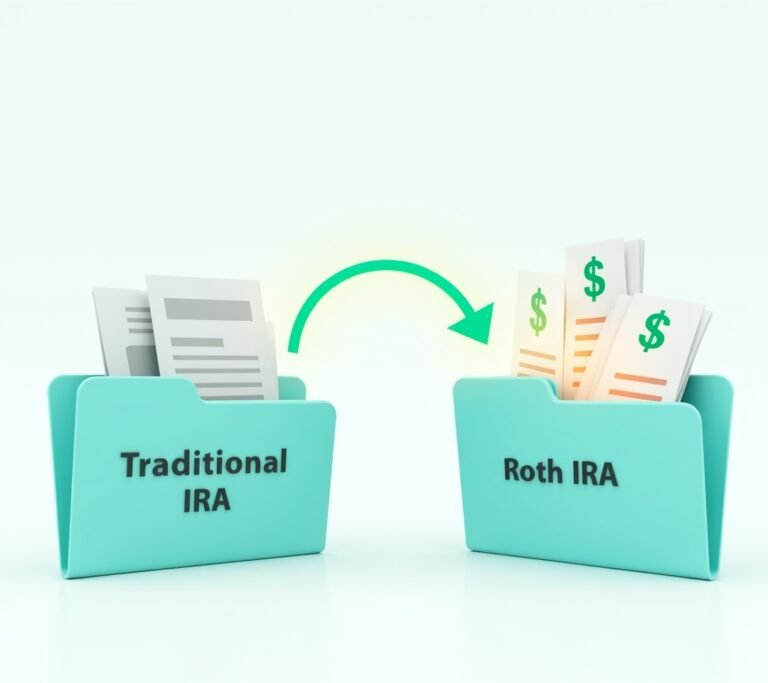
A Roth conversion means paying taxes now to enjoy tax-free withdrawals later. Here's when it makes sense, how to size the conversion, and what to watch out for.

Your home internet bill may be partially deductible if you use it for work. Here's how to calculate the business-use percentage and document it for the IRS.

Losing a spouse is devastating—and figuring out your taxes shouldn't add to the burden. Here's how to file the year of loss and the years that follow.
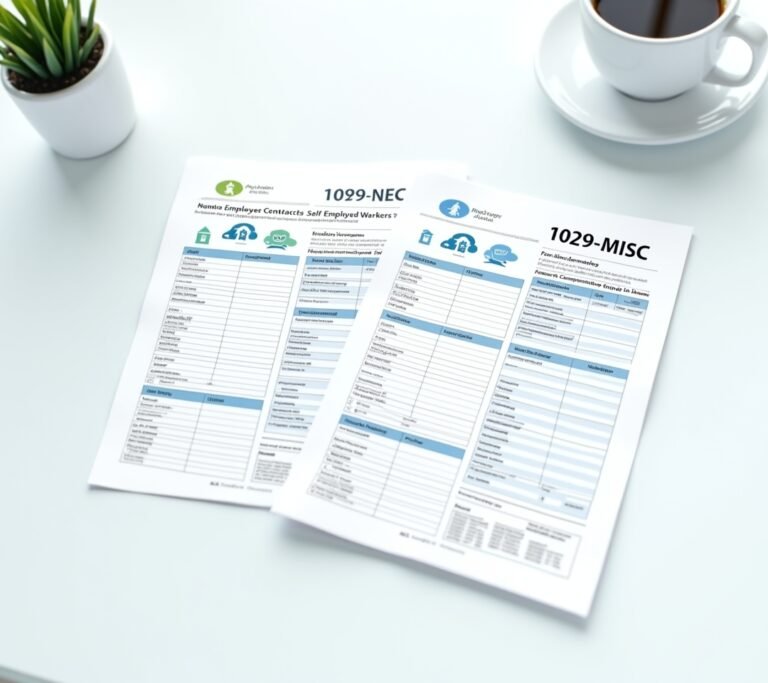
The 1099-NEC replaced Box 7 of the 1099-MISC in 2020. Here's what each form covers, why the split happened, and how to report income from each correctly.