
Advertisements
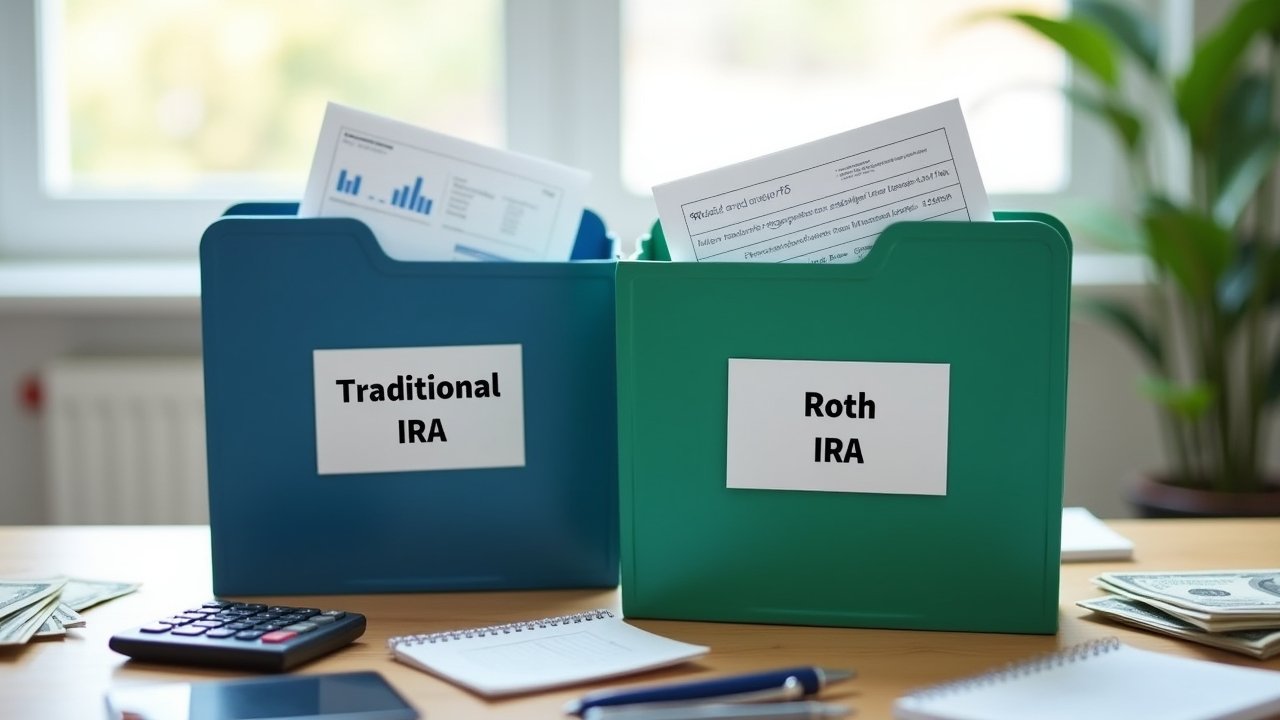
Roth IRA Conversion Strategy Explained: What I Wish I Knew Sooner
Did you know that only about 20% of American households own a Roth IRA? That blew my mind when I first read it. Because honestly, after going through my own Roth IRA conversion a few years back, I can’t stop talking about this thing to anyone who will listen.
If you’ve ever wondered whether converting your traditional IRA to a Roth IRA makes sense for you, you’re in the right place. I’m going to break it all down — no confusing finance jargon, I promise.
So… What Even Is a Roth IRA Conversion?
A Roth IRA conversion is basically moving money from a traditional IRA (or a 401k) into a Roth IRA. Simple enough, right? The big catch is that the amount you convert gets added to your taxable income for that year. Yeah, you pay taxes now — but here’s the beautiful part — you never pay taxes on that money again when you withdraw it in retirement.
Think of it like paying taxes on the seed instead of the harvest. That metaphor honestly changed how I looked at this whole strategy.
Why I Almost Made a Huge Mistake
True story: back in 2020, I had a rough income year because of some freelance work drying up. My accountant mentioned offhand that it might be a “good year to convert.” I had no idea what she meant. I nodded and smiled like I did, went home, and fell down a Google rabbit hole for three hours.
Turns out, she was absolutely right. When your income is lower than usual, you’re in a lower tax bracket — which means you pay less taxes on the converted amount. That’s the golden window people talk about. I converted about $15,000 that year and paid a surprisingly manageable tax bill on it.
The Core of the Roth IRA Conversion Strategy
Here’s what a solid Roth conversion strategy actually looks like in practice. It’s not just a one-time move — it’s about being intentional over several years.
- Convert during low-income years. Job transitions, early retirement, or even a slow business year can be your opportunity.
- Stay within your current tax bracket. You don’t want to convert so much that you accidentally bump yourself into a higher bracket. Use a tax bracket reference from the IRS to guide you.
- Consider partial conversions over multiple years. This is called a “laddering” strategy. Spreading it out can minimize the tax hit significantly.
- Factor in Medicare premiums. Higher income from conversions can affect your IRMAA surcharges if you’re near retirement age. Worth looking into.
- Pay taxes from outside funds. Don’t use the converted money itself to pay the tax bill. That wipes out a chunk of your future tax-free growth.
Who Benefits Most From This Strategy?
Honestly? Not everyone. That’s the real talk here. If you expect to be in a lower tax bracket in retirement than you are now, sticking with a traditional IRA might make more sense. But if you think taxes are going up in the future (a lot of financial folks do), or you want tax-free income in retirement, a Roth conversion is worth serious consideration.
Advertisements
Young professionals, people in between jobs, and early retirees tend to benefit the most. Also, anyone who wants to leave a tax-free inheritance to their kids — Roth IRAs don’t have required minimum distributions (RMDs) during your lifetime, which is a huge perk. The Investopedia breakdown on Roth conversion rules is a great read if you want to go deeper on eligibility.
A Few Things to Watch Out For
Not gonna lie — I’ve seen people get burned by rushing this. Converting too much in one year can spike your AGI and trigger unexpected tax consequences. Also, keep the five-year rule in mind: converted funds need to sit in the Roth for at least five years before you can withdraw them penalty-free. Don’t ignore that one.
Also — and this is important — always loop in a qualified tax professional before making any moves. I’m a guy with a blog and some personal experience, not your CPA.
Your Next Step Starts Here
A Roth IRA conversion strategy isn’t a one-size-fits-all deal. It’s a tool — and like any tool, it works best when you use it the right way, at the right time, for your specific situation. Take the time to run the numbers, talk to a tax advisor, and think long-term about your retirement income goals.
The earlier you understand this stuff, the more options you’ll have. And that, my friend, is what financial planning is really about. If you found this helpful, there’s plenty more where that came from — head over to Deduction Desk and explore the rest of our posts. We cover everything from tax strategies to retirement planning in plain, no-fluff language. You’ll fit right in.