Advertisements

Teacher Tax Deductions: How to Keep More of Your Hard-Earned Money
Did you know that teachers spend an average of $479 out of pocket on classroom supplies every single year? Yeah, that number hit me hard when I first saw it. I remember standing in the dollar store aisle loading up my basket with markers, construction paper, and sticky notes — all coming straight out of my own pocket. Nobody told me about teacher tax deductions when I started, and honestly, that still frustrates me.
But here’s the good news: the IRS actually gives educators a break. If you know where to look, educator expense deductions can save you real money come tax season. Let me walk you through what I’ve learned — sometimes the hard way.
What Is the Educator Expense Deduction?
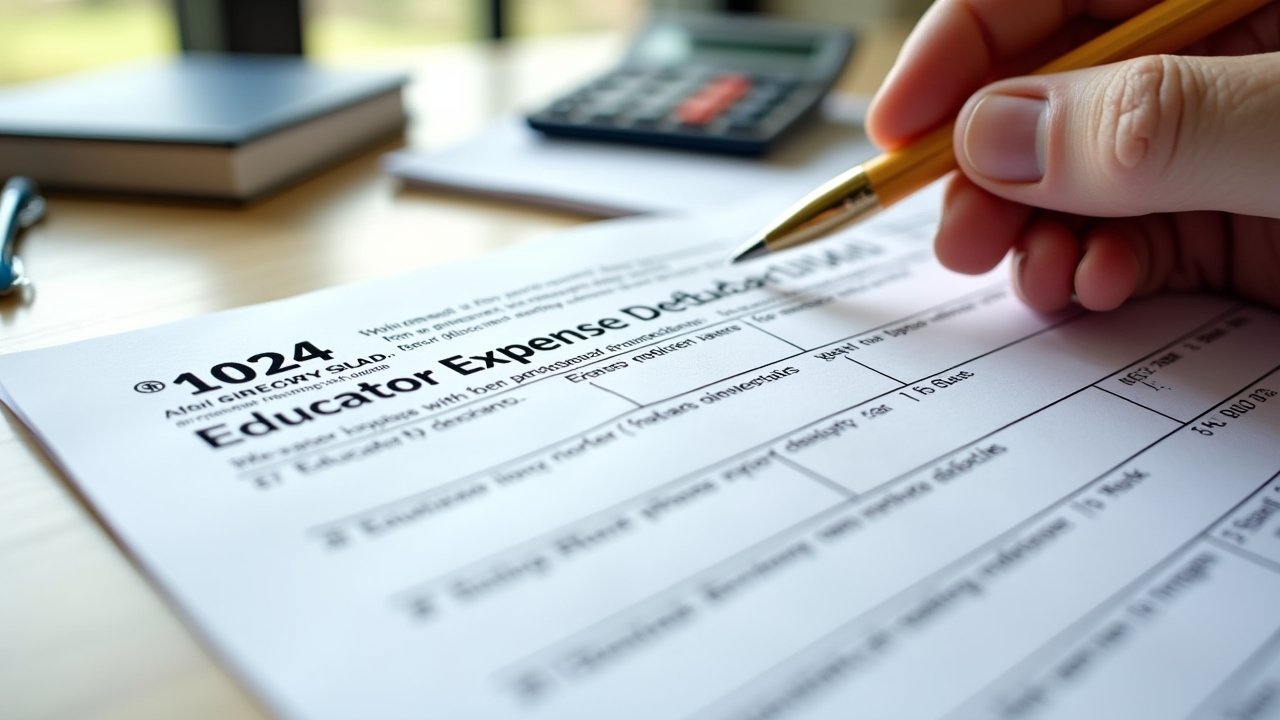
The IRS Educator Expense Deduction allows eligible teachers to deduct up to $300 in unreimbursed classroom expenses directly from their taxable income. If you’re married filing jointly and both spouses are educators, that number jumps to $600. That’s not nothing!
This is what’s called an “above-the-line” deduction, which means you don’t have to itemize to claim it. You just fill it out on your Form 1040, and boom — your taxable income drops. Simple, right?
Who Qualifies for Teacher Tax Deductions?
Not everyone with a chalkboard qualifies, unfortunately. The IRS has some specific requirements here. You need to meet all of the following:
- You work as a K-12 teacher, instructor, counselor, principal, or aide
- You worked at least 900 hours during the school year
- You work in a school that provides elementary or secondary education
- Your expenses were NOT reimbursed by your school or district
Homeschool parents, unfortunately, don’t qualify for this particular deduction. I know, I know — that stings. But there are other potential deductions worth exploring depending on your situation.
What Classroom Expenses Can You Actually Deduct?
This is where it gets interesting — and where most teachers leave money on the table. Here’s what the IRS considers eligible educator expenses:
- Books and classroom supplies (notebooks, pens, markers, folders)
- Computer equipment, software, and related services used in the classroom
- Athletic supplies if you teach physical education
- Professional development courses directly related to your curriculum
- COVID-19 protective items like masks and hand sanitizer (added in 2021 and still valid!)
One year I forgot to track my software subscriptions — tools I used literally every day to build lesson plans. That was probably $150 just gone because I didn’t keep receipts. Don’t be like me. Track everything.
Advertisements
Tips to Maximize Your Educator Tax Deductions
Okay, so let’s get practical. Here are a few things that have genuinely helped me over the years.
Keep a Simple Expense Log
You don’t need anything fancy. A basic spreadsheet or even a notes app on your phone works great. Every time you buy something for your classroom, log it — date, item, cost, and store. Takes 30 seconds and saves you a headache in April.
Save Every Receipt (Seriously)
I use a free app called Expensify to snap photos of receipts on the go. Some teachers swear by a dedicated folder in Google Drive. Either way works — just don’t let those receipts pile up in your car’s glove compartment like I used to do.
Don’t Forget Professional Development
Workshops, online courses, and even continuing education courses tied to your subject area can count. A lot of teachers overlook this one. If you paid out of pocket for a curriculum training or certification renewal, write it down.
A Word of Caution Before You File
I want to be real with you here — tax laws change, and everyone’s situation is a little different. What worked for your colleague might not apply to you, especially if your state has its own rules on top of the federal deduction. Always double-check with a qualified tax professional or use trusted resources like the IRS website before filing.
Also, never claim reimbursed expenses. If your school paid for it, you can’t deduct it — that’s a big no-no that could trigger an audit. Stay honest, stay organized, and you’ll be just fine.
Your Money Deserves Better Than a Shoebox Full of Receipts
Look, teachers already give so much — time, energy, and yes, money — to their students. Taking advantage of educator expense deductions is one small way to get a little of that back. Start tracking your expenses now, understand what qualifies, and don’t leave free money on the table come tax season.
Every dollar counts, especially when you’re buying your 47th box of colored pencils. And hey, if this article helped you out, there’s a lot more where this came from. Head over to Deduction Desk for more tips, guides, and real talk about making the most of your deductions — no accounting degree required.