
Home Office Tax Deduction: What I Wish Someone Had Told Me Years Ago
Advertisements
Here’s a stat that blew my mind — nearly 27.6 million Americans filed for the home office tax deduction in recent years, according to the IRS. And yet, so many people who qualify just… don’t claim it. I was one of those people for way too long, and honestly it still stings a little thinking about the money I left on the table!
Whether you’re a freelancer, a small business owner, or you started a side hustle from your kitchen table, understanding how this deduction works can save you hundreds — sometimes thousands — of dollars. So let me walk you through everything I’ve learned, including my embarrassing mistakes.
Who Actually Qualifies for the Home Office Deduction?
Okay so this is where I messed up the first time. I assumed that because I occasionally answered work emails from my couch, I qualified. Nope. Not even close.
The IRS has two main requirements. Your home office must be used regularly and exclusively for business, and it needs to be your principal place of business. That means your guest bedroom that doubles as your office? It could work, but only if you’re not also using it as a playroom for the kids.
One important thing — if you’re a W-2 employee working remotely, you generally cannot claim this deduction anymore. The Tax Cuts and Jobs Act of 2017 eliminated that for most employees. This deduction is really geared toward self-employed individuals and independent contractors.
The Two Methods: Simplified vs. Regular
When I finally got my act together and decided to claim the home office tax deduction, I had to choose between two calculation methods. Let me break them both down because this tripped me up big time.
The Simplified Method
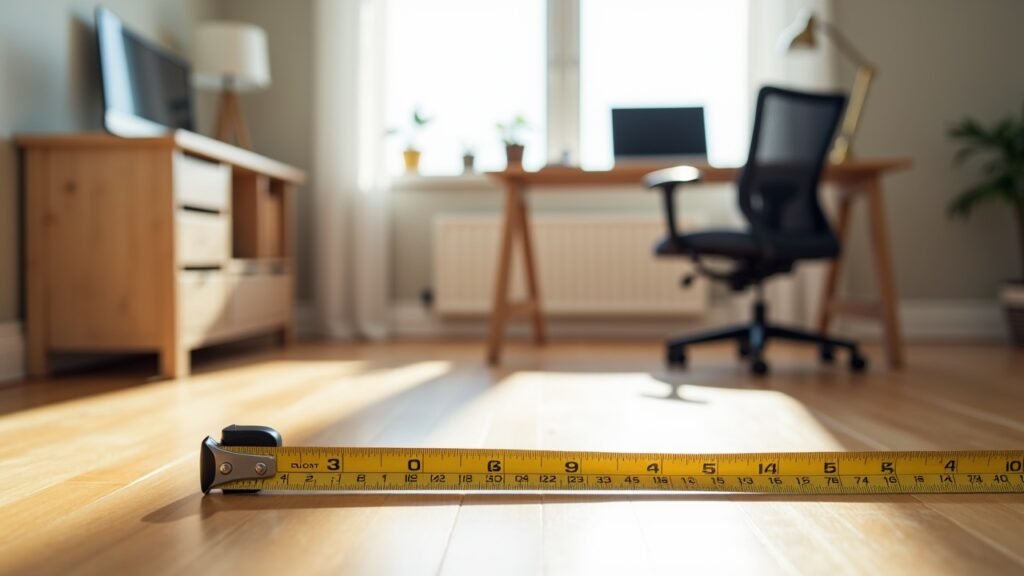
This one’s pretty straightforward. You multiply the square footage of your home office (up to 300 square feet) by $5. So the maximum deduction you can get is $1,500. It’s easy, it’s quick, and you don’t need to keep a mountain of receipts.
I used this method my first year because honestly I was terrified of getting audited. It felt safe.
The Regular Method
This is where things get more interesting — and potentially more rewarding. With the regular method, you calculate the actual expenses of running your home and then apply the percentage that your office takes up. We’re talking mortgage interest or rent, utilities, insurance, repairs, and even depreciation.
Advertisements
For example, if your home office is 200 square feet and your total home is 2,000 square feet, that’s 10% of your home expenses you can deduct. I switched to this method in my third year of freelancing and my deduction nearly doubled. Wish I’d done it sooner!
Common Mistakes That Can Cost You

Let me save you some headaches. Here are mistakes I’ve either made myself or seen friends make:
- Not keeping proper records of home expenses throughout the year — scrambling in April is no fun.
- Claiming a space that isn’t truly “exclusive” to business use. The IRS is pretty strict about this.
- Forgetting about deductible expenses like internet bills, home repairs, or even a percentage of your renter’s insurance.
- Not taking the deduction at all because of audit fear. The truth is, if you legitimately qualify, you should claim it.
I’d also recommend using accounting software like QuickBooks Self-Employed to track your business expenses in real time. It was a game changer for me personally.
Is the Home Office Deduction Worth It?
Short answer — absolutely yes, if you qualify. Even with the simplified method, $1,500 off your tax bill is nothing to sneeze at. And with the regular method, self-employed folks can sometimes save significantly more depending on their housing costs and office size.
The key is being honest, keeping good records, and understanding which method works best for your specific situation. Every taxpayer’s circumstances are different, so what worked for me might not be the best fit for you.
Your Next Move
Look, taxes aren’t exactly anyone’s idea of a good time. But leaving money on the table because you didn’t understand the home office deduction? That’s even worse. Take the time to evaluate your workspace, gather your documents, and figure out which method maximizes your savings.
And if you want more tips on deductions, write-offs, and all things tax strategy, make sure you explore more posts over at Deduction Desk. We’re always breaking down the stuff that actually matters for your wallet. You’ve got this!