Advertisements
Energy Efficiency Tax Credits 2025: What You Need to Know Before Filing
Did you know that homeowners who made energy-efficient upgrades in 2024 could claim up to $3,200 in federal tax credits on their 2025 returns? I almost missed out on that myself last year. I had just replaced my old, rattling HVAC system and had no idea the IRS was basically handing out money for exactly that kind of upgrade. Don’t make the same mistake I did!
Energy efficiency tax credits are honestly one of the most underused benefits in the entire U.S. tax code. Whether you’re a homeowner, a renter who runs a small business out of their place, or just someone trying to lower their utility bills, there’s probably something here for you. Let’s break it all down in plain English.
What Are Energy Efficiency Tax Credits, Exactly?
So, first things first. An energy efficiency tax credit is a dollar-for-dollar reduction in the taxes you owe — not just a deduction. That’s a big deal. A deduction lowers your taxable income, but a credit directly cuts your tax bill. Think of it like a coupon, but for the IRS.
The main program driving these benefits in 2025 is the Energy Efficient Home Improvement Credit (25C), which was expanded under the Inflation Reduction Act. It covers a wide range of home improvements, from insulation to heat pumps to energy-efficient windows. Honestly, it’s pretty generous compared to what was offered even five years ago.
What Home Improvements Qualify in 2025?
This is where it gets really interesting — and where I wish someone had handed me a checklist before I started my own renovation. Here’s a quick rundown of what’s covered:
- Heat pumps and heat pump water heaters — up to $2,000 credit
- Central air conditioners — up to $600
- Exterior doors — up to $250 per door, max $500
- Windows and skylights — up to $600
- Insulation and air sealing materials — up to $1,200
- Home energy audits — up to $150
- Electrical panel upgrades — up to $600
The overall cap for most improvements (excluding heat pumps) is $1,200 per year. But here’s the kicker — these credits reset every year. So if you couldn’t fit all your upgrades into one tax year, you can stagger them and keep claiming credits annually. Pretty smart planning strategy, right?
What About Solar Panels and Bigger Projects?
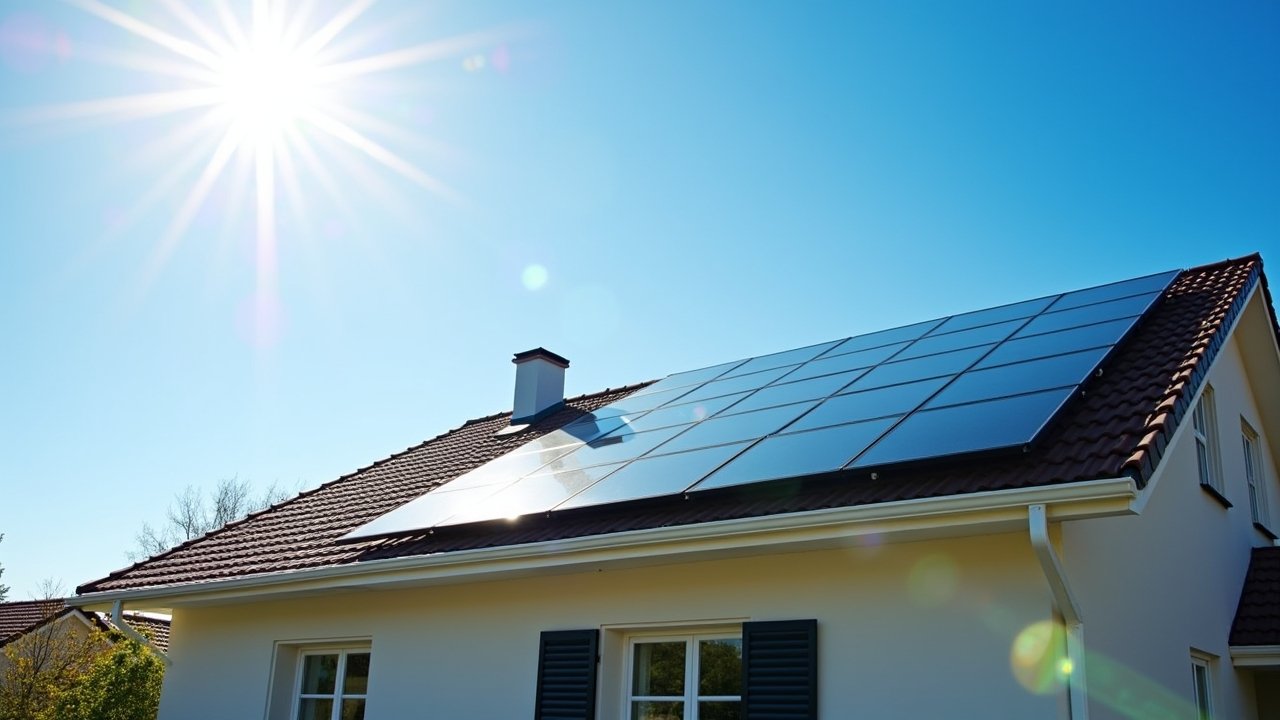
Great question! If you went big — like, solar-panel-on-the-roof big — there’s a separate credit for that. It’s called the Residential Clean Energy Credit (25D), and it covers 30% of the cost of installing solar panels, solar water heaters, battery storage, and even small wind turbines. You can read more about it directly from the U.S. Department of Energy.
I had a neighbor who put in a solar battery system last summer and got back nearly $4,000 on her taxes. She was over the moon. And honestly, she should’ve been — that’s real money back in your pocket.
Advertisements
How Do You Actually Claim These Credits?
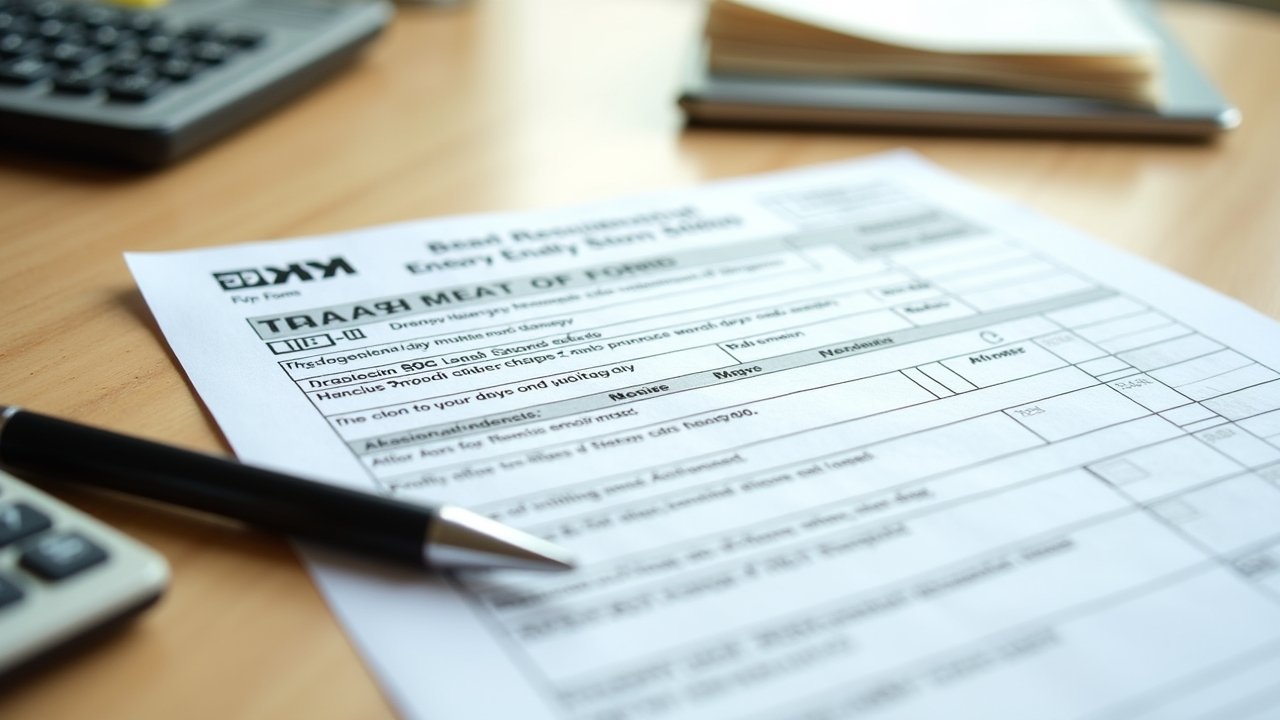
Alright, here’s the practical stuff. To claim these credits, you’ll need to fill out IRS Form 5695 when you file your federal tax return. It’s not as scary as it sounds. The form asks for the type of improvement, the cost, and whether it meets energy efficiency standards — which your contractor or product documentation should confirm.
Keep your receipts. I cannot stress this enough. Keep every single receipt, manufacturer certification, and contractor invoice. If you ever get audited, those documents are your best friends. File them in a folder, scan them to your email, whatever works — just don’t throw them away.
A Few Things to Watch Out For
Not everything qualifies, and the rules can be a little tricky. For instance, the improvement must be made to your primary residence — vacation homes and rental properties have different rules. Also, used or second-hand equipment generally doesn’t qualify. And always double-check that the product meets the ENERGY STAR certification requirements before you buy.
One mistake I see a lot? People assume installation costs are always included. Sometimes they are, sometimes they’re not — it depends on the specific credit. Always read the fine print or ask your tax professional.
Make Your Money Work for You This Tax Season
Look, energy efficiency tax credits in 2025 are genuinely one of the best financial tools available to everyday homeowners. They reward you for doing something good for the planet and your wallet. That’s a rare win-win.
Every home and tax situation is different, so use this info as a starting point and customize it to fit your specific needs. And of course, always consult a qualified tax professional before making major financial decisions — the IRS rules can change, and you want to make sure you’re doing everything by the book.
If you found this helpful, there’s a whole lot more where that came from. Head over to Deduction Desk for more articles on tax credits, deductions, and smart money strategies written in the same plain, no-nonsense style. We’ve got you covered!