Advertisements

How to Pay Yourself LLC Taxes Without Losing Your Mind
Did you know that nearly 35% of small business owners admit they don’t fully understand how to pay themselves from their LLC? Yeah, I was one of those people. When I first started my LLC, I literally just transferred money from my business account to my personal account and thought, “Cool, I paid myself!” Spoiler alert — that’s not quite how it works, and the IRS was not impressed.
Understanding how to pay yourself LLC taxes is honestly one of the most important things you can do as a business owner. Get it wrong, and you’re looking at penalties, surprise tax bills, and a whole lot of stress. Get it right, and you’ll feel like an absolute boss come tax season.
First Things First — How Is Your LLC Taxed?
Before anything else, you need to know how your LLC is classified for tax purposes. This changes everything. The IRS doesn’t actually recognize the LLC as its own tax entity by default, so it gets taxed based on its structure.
- Single-member LLC: Taxed as a sole proprietorship by default
- Multi-member LLC: Taxed as a partnership by default
- LLC taxed as S-Corp: A popular election that can save you big on self-employment taxes
- LLC taxed as C-Corp: Less common, but exists for specific situations
I didn’t realize I could elect S-Corp status until my accountant brought it up two years in. That conversation literally saved me thousands of dollars. So yeah, knowing your tax classification is step one.
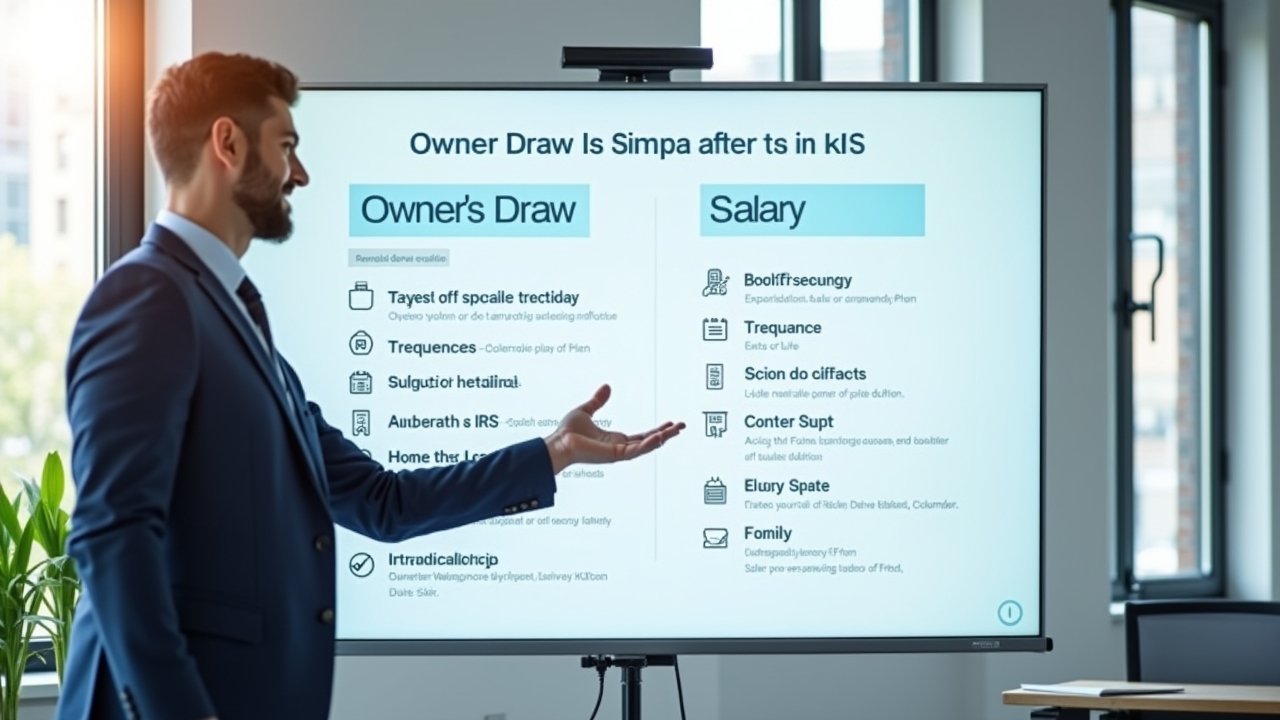
The Owner’s Draw — The Most Common Method
If you’re a single-member LLC or part of a partnership, you’ll most likely pay yourself through what’s called an owner’s draw. Basically, you’re pulling money out of your business equity. It’s simple, flexible, and pretty straightforward to set up.
Here’s the catch though — owner’s draws are not tax-free. You still owe self-employment tax on your net business income, which sits around 15.3%. That means you need to be setting aside money throughout the year for estimated quarterly taxes, or you’ll get hit hard in April.
I learned this the hard way my first year. I drew $40,000 and saved nothing for taxes. Come April, I owed over $6,000 and had to scramble. Not fun, not cute, totally avoidable.
Paying Yourself a Salary — The S-Corp Route
If your LLC is taxed as an S-Corp, the rules change. You’re required by the IRS to pay yourself a reasonable salary before taking any distributions. This means you’re on payroll, taxes are withheld, and you get a W-2 at the end of the year.
Advertisements
The benefit here is massive. Only your salary is subject to self-employment taxes — not the distributions on top of it. So if your business makes $100,000 and you pay yourself a reasonable salary of $50,000, you’re only paying self-employment tax on that $50,000. The rest comes out as a distribution with no SE tax attached.
- Set up payroll through a service like Gusto or QuickBooks Payroll
- Withhold federal and state income taxes from each paycheck
- File quarterly payroll tax returns (Form 941)
- Pay yourself distributions separately on top of your salary
Don’t Forget Quarterly Estimated Taxes
Whether you’re doing an owner’s draw or paying yourself a salary, quarterly estimated taxes are your best friend — or your worst enemy if ignored. The IRS wants its money four times a year, not just once. Missing these payments can trigger underpayment penalties, and trust me, those add up fast.
A general rule of thumb is to set aside about 25-30% of your net income for taxes. Some people open a separate savings account just for taxes. Honestly, that little tip changed my financial life — out of sight, out of mind, and you’re never scrambling again.
Your LLC, Your Rules — But Stay Smart About It
At the end of the day, how you pay yourself from your LLC depends on your structure, your income level, and your goals. There’s no one-size-fits-all answer here, and that’s actually kind of great — it means you have flexibility. But flexibility without knowledge is a recipe for an audit, and nobody wants that.
Always work with a qualified CPA or tax professional who understands LLC taxation. The rules around reasonable compensation, self-employment tax, and quarterly payments can get complicated fast. Doing it right from the start saves so much headache down the road.
If you found this helpful, there’s a lot more where this came from! Head over to Deduction Desk where we break down all things taxes, deductions, and small business finance in plain English — no jargon, no fluff, just real talk for real business owners like you.