
Advertisements
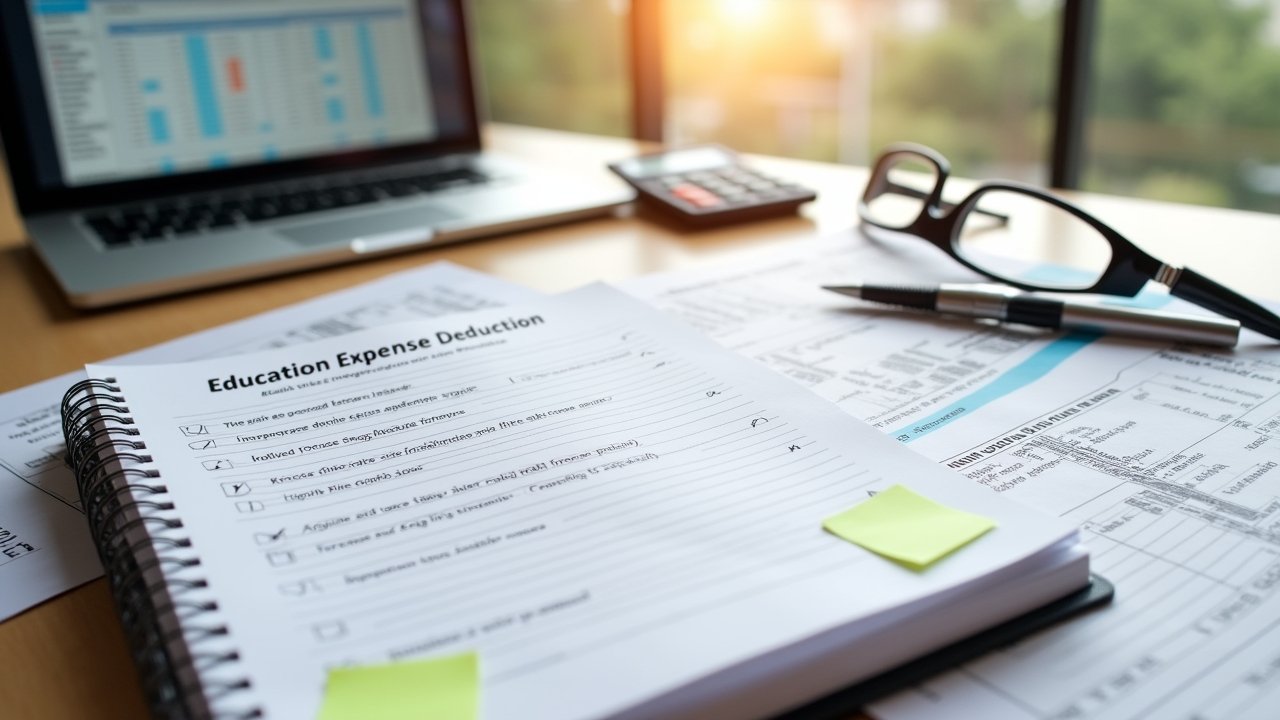
Professional Development Tax Deduction for Freelancers: What You’re Probably Leaving on the Table
Did you know that freelancers leave thousands of dollars in tax deductions unclaimed every single year? I was one of them — for way too long. Back when I first started freelancing, I had zero idea that the online course I bought to learn Adobe Illustrator could actually lower my tax bill. Nobody told me! And honestly, that felt like a betrayal once I figured it out.
If you’re a freelancer, the professional development tax deduction might just be your best-kept secret weapon. We’re talking about a completely legal way to reduce your self-employment income while investing in yourself. So let me break it down the way I wish someone had broken it down for me.
What Counts as a Professional Development Tax Deduction?
Okay, so here’s the deal. The IRS allows self-employed individuals to deduct education and training expenses that are directly related to their current trade or business. That’s the key phrase — current trade. It’s got to maintain or improve your existing skills, not prepare you for a brand-new career.
For example, I’m a freelance writer. So when I paid for a copywriting masterclass, that was deductible. But if I signed up for a nursing certification course? Yeah, that one wouldn’t fly. The IRS Topic No. 513 is actually a solid read if you want the official word on this.
Here’s a quick list of what typically qualifies:
- Online courses and webinars related to your freelance work
- Books, journals, and industry publications
- Workshops, conferences, and seminars
- Coaching or mentorship programs in your field
- Software tutorials or skill-based subscriptions like LinkedIn Learning or Udemy
How to Actually Claim It (Without Panicking)
Alright, so this is where a lot of freelancers freeze up. Trust me, I’ve been there — staring at my Schedule C like it was written in ancient Sumerian. But it’s actually not that complicated once you get the hang of it.
As a self-employed person, you report your business deductions on Schedule C (Form 1040). Your professional development expenses go under the “Other Expenses” section, usually in Part V. Keep it simple — label it “education and training” and list the total amount you spent.
One thing I learned the hard way: keep every receipt. I’m talking screenshots of email confirmations, PDF invoices, bank statements — all of it. I once got asked by my accountant to prove a $300 course purchase and I spent two hours digging through my inbox. Never again.
Advertisements
The Gray Areas (Because There Are Always Gray Areas)
Here’s something nobody really talks about — the blurry middle ground. What about a conference where you also went sightseeing? Or a course that was partly for fun and partly for work? These situations require a bit of judgment.
Generally speaking, if a trip or expense is primarily for business education, you can deduct the business portion. So if you flew to a freelance writing conference, the ticket and hotel might be deductible, but the extra day you spent at a museum? Probably not. The IRS Publication 535 digs into this if you want to get nerdy about it.
Also — and I can’t stress this enough — always consult a tax professional if you’re unsure. A good CPA who works with freelancers is worth every penny. Sites like NerdWallet have solid guides for finding the right tax help.
Keep Growing — And Keep Saving
Here’s my honest takeaway after years of freelancing: investing in your skills is one of the smartest financial moves you can make, and the fact that it can reduce your taxable income makes it even sweeter. It’s a win-win that a lot of freelancers just aren’t taking advantage of — and that’s kind of heartbreaking when you think about it.
Every course you take, every book you buy, every workshop you attend — these aren’t just expenses. They’re investments in your business that the tax code actually rewards you for making. Just make sure you document everything, stay within IRS guidelines, and don’t be afraid to ask for help.
Now go claim what’s yours! And if you’re hungry for more tips on maximizing your deductions as a freelancer, head over to Deduction Desk — there’s a whole lot more where this came from.