Advertisements

Alimony Tax Deduction Rules: What You Need to Know Before Filing
Did you know that a single tax law change in 2018 completely flipped how millions of divorced Americans handle alimony on their returns? I remember sitting across from a colleague during lunch and she just looked at me, totally lost, saying “wait, I can’t deduct my payments anymore?” Yeah. It was that kind of moment. And honestly, if you’re navigating divorce finances right now, understanding the alimony tax deduction rules could save you — or cost you — thousands of dollars!
The Big Split: Pre-2019 vs. Post-2019 Divorce Agreements
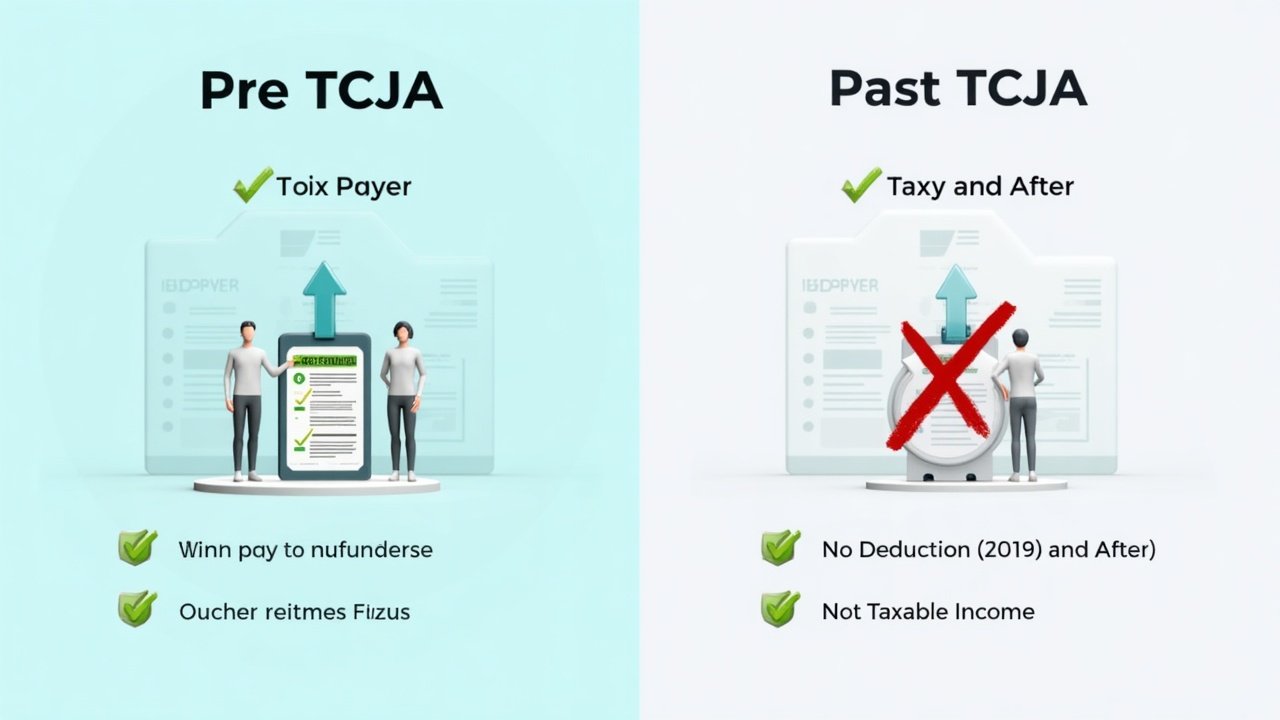
Here’s where it gets real. The IRS changed the rules under the Tax Cuts and Jobs Act of 2017, and the new rules kicked in for divorce agreements executed after December 31, 2018. Before that cutoff, alimony payments were tax-deductible for the payer and counted as taxable income for the recipient. Simple enough, right?
But for agreements signed after January 1, 2019, that whole system got flipped on its head. Now, the payer gets zero deduction, and the recipient doesn’t report it as income at all. It’s a massive shift that a lot of people are still confused about, honestly.
- Pre-2019 agreements: Payer deducts payments, recipient reports as income
- Post-2018 agreements: No deduction for payer, no taxable income for recipient
- Modified agreements: If you modified a pre-2019 agreement after 2018, new rules may apply — depends on the modification language
What Qualifies as Alimony for Tax Purposes?
Not every payment between ex-spouses counts as alimony in the IRS’s eyes. I learned this the hard way when I was helping a friend sort through his paperwork and we almost misclassified child support as alimony — big no-no. The IRS Publication 504 lays it all out pretty clearly.
For a payment to qualify as alimony under the old rules (pre-2019), it had to meet specific criteria. It must be made in cash or cash equivalents, it can’t be labeled as child support or a property settlement, and the payments must stop upon the recipient’s death.
- Must be paid under a divorce or separation agreement
- Spouses can’t be living in the same household when payments are made
- No joint tax return can be filed by both parties
- Payment can’t be treated as child support in the agreement
Reporting Alimony on Your Tax Return (Old Rules Still Matter)
If your divorce agreement was signed before 2019, you’re still playing by the old rulebook — and that’s actually not terrible for payers. You can still claim the alimony deduction on Schedule 1 of your Form 1040. It’s considered an “above-the-line” deduction, which means you don’t need to itemize to claim it. That part? Pretty great.
You’ll also need to include your ex-spouse’s Social Security number on your return. The IRS cross-checks these, and if they don’t match up, you’re looking at a possible audit. Trust me, you don’t want that headache. I’ve seen it happen and it’s a mess to untangle.
Common Mistakes People Make With Alimony Taxes
Oh boy, where do I start. One of the biggest blunders I’ve seen is people confusing alimony with child support. Child support is never deductible and never taxable income — period. Another common mistake? Forgetting to update things when agreements get modified.
Advertisements
Also, some folks assume that just because they’re paying spousal support, it automatically qualifies. Nope! The agreement has to specifically structure it in a way that satisfies IRS requirements. A quick chat with a tax professional or divorce attorney can save you from a world of pain down the road.
Final Thoughts: Don’t Let Tax Rules Catch You Off Guard
Look, divorce is already stressful enough without the IRS making things complicated. But knowing the alimony tax deduction rules — especially which side of the 2019 line your agreement falls on — can make a real financial difference. Whether you’re the one paying or receiving, it pays to understand the rules of the game.
Take your specific situation seriously, talk to a qualified tax advisor, and never assume what worked for your neighbor applies to you. Everyone’s divorce agreement is different, and the tax treatment can vary more than people expect.
And hey — if you found this helpful, there’s a whole lot more where that came from! Head over to Deduction Desk and check out our other posts on tax deductions, financial tips, and everything in between. You’ve got this!