Advertisements

Dependent Turning 18? Here’s What Changes on Your Tax Return
Did you know that missing the tax changes when a dependent turns 18 can cost families hundreds of dollars in unexpected tax bills? I found that out the hard way. When my oldest hit 18, I honestly thought nothing would change on our taxes — same kid, same house, same expenses. Boy, was I wrong.
This stuff matters more than most parents realize, and I want to walk you through it like a friend who’s already made the mistakes so you don’t have to.
First Things First: What “Dependent” Actually Means After 18
When your kid turns 18, they don’t automatically stop being your dependent — but the rules do shift. The IRS uses two main categories: the qualifying child and the qualifying relative. Before 18, your child almost always fits the first category. After 18, it gets a little more nuanced.
To still claim them as a qualifying child after age 18, they generally need to be a full-time student under 24. If they’re not in school, you might still claim them as a qualifying relative, but only if they earned less than $5,050 in gross income (for tax year 2024) and you provided more than half their financial support. You can check the official IRS rules on dependents right here on the IRS website.
The Child Tax Credit — It Goes Away
This one stings a little, not gonna lie. The Child Tax Credit, which can be worth up to $2,000 per child, only applies to dependents under age 17. So technically, you lose that credit even before they turn 18. Once they hit 17, that credit is gone.
What you might still qualify for is the Credit for Other Dependents, worth up to $500. It’s not as juicy, but hey, it’s something. I remember feeling genuinely bummed when I realized our tax refund dropped because of this — no one warns you!
Head of Household Filing Status Could Be Affected
If you’re a single parent, this part is super important. To file as Head of Household, you need a “qualifying person” living with you for more than half the year. A dependent child who just turned 18 can still count — as long as they lived with you and you paid more than half the household costs.
But if your 18-year-old moved out or started working full-time, you might lose that filing status. And trust me, the difference between Head of Household and Single filer is significant — we’re talking potentially a larger standard deduction and lower tax rates.
Advertisements
Education Credits Are Still on the Table
Here’s some genuinely good news. If your 18-year-old is heading to college, you could qualify for education tax credits. The American Opportunity Tax Credit (AOTC) offers up to $2,500 per year for the first four years of higher education. The Lifetime Learning Credit is another option worth exploring.
Just make sure you’re the one paying the tuition bills — and that you’re still claiming your child as a dependent. Both conditions usually need to be met for you to claim the credit. This was honestly one of the few tax silver linings when my kid started college.
Their Income Can Affect Your Return Too
Here’s something a lot of parents overlook. If your 18-year-old gets a part-time job and earns over $5,050 (in 2024), you likely cannot claim them as a qualifying relative anymore. And if they file their own return, they’ll need to indicate whether someone else can claim them as a dependent — because that affects their own standard deduction.
It’s honestly a little tricky to coordinate. My advice? Sit down together and figure out who benefits more from the dependent claim. Sometimes it makes more financial sense for the parent, sometimes for the kid. A quick chat with a tax professional can save both of you money.
So, What Should You Actually Do?
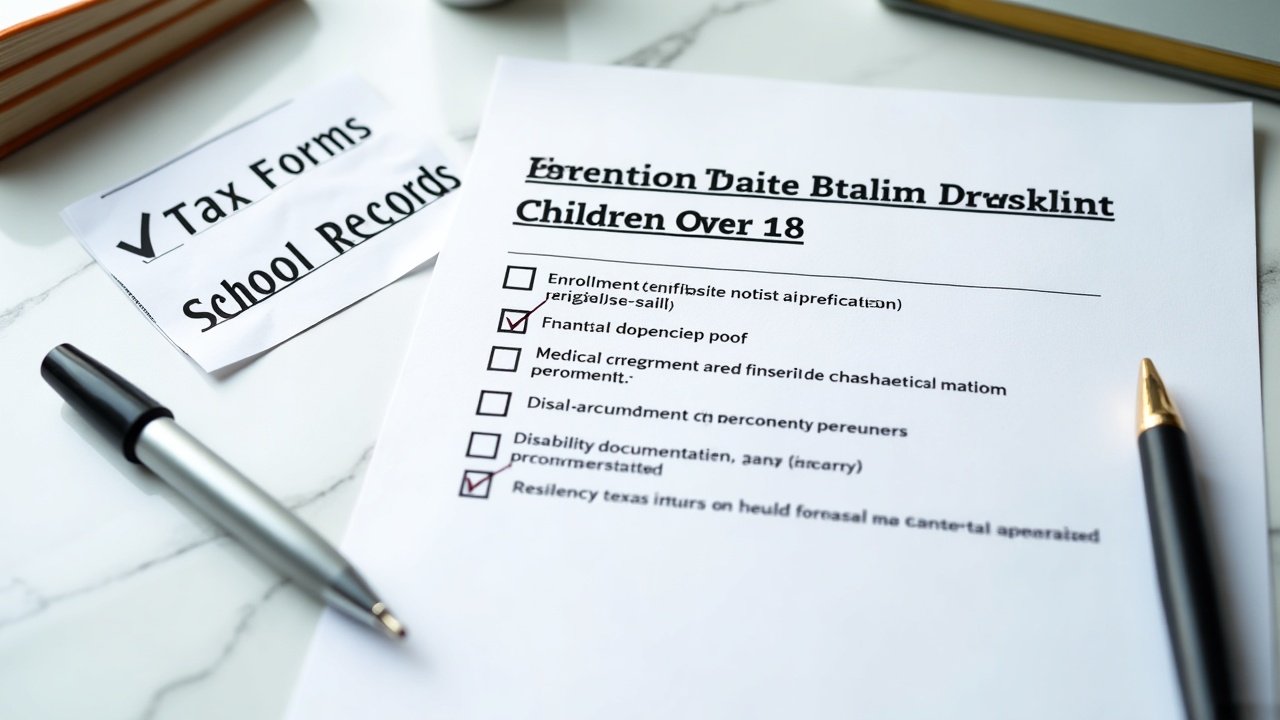
The year your dependent turns 18 is the year to pay extra attention to your tax return. Review their student status, their income, where they live, and how much financial support you’re providing. These aren’t just formalities — they’re the exact factors the IRS uses to determine what you can and can’t claim.
Every family’s situation is a little different, so don’t just copy what your neighbor did. What works for a full-time college student living at home is totally different from what applies to an 18-year-old who’s already working and living independently. Always consider getting personalized advice from a certified tax professional, especially during transition years like this one.
And hey, if you found this helpful, there’s plenty more where that came from. Head over to Deduction Desk — we break down tax topics just like this one in plain, everyday language. No jargon, no stress, just the info you actually need.