Advertisements

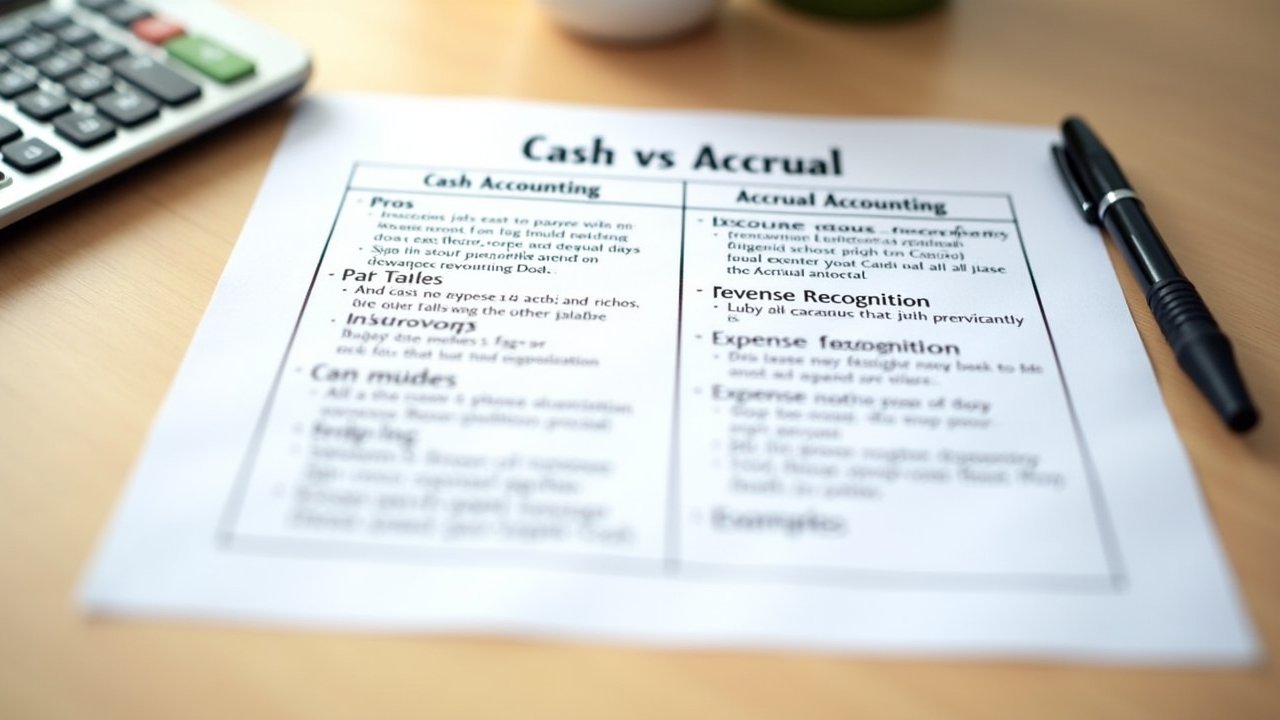
Cash vs Accrual Accounting Taxes: Which Method Saves You More?
Here’s a stat that honestly blew my mind when I first heard it — nearly 60% of small business owners aren’t sure if they’re using the right accounting method for their tax situation. I was one of them! Choosing between cash and accrual accounting for taxes isn’t just some boring bookkeeping decision. It can literally save you thousands of dollars or cost you thousands if you get it wrong.
I learned this the hard way back in 2019 when I got hit with a tax bill I wasn’t expecting. So let me walk you through what I wish someone had told me years ago.
What’s the Actual Difference?
Okay, so let’s keep this simple. With cash basis accounting, you record income when the money actually hits your bank account and expenses when you actually pay them. It’s straightforward, kinda like balancing your personal checkbook.
Accrual accounting is a whole different animal. You record income when it’s earned and expenses when they’re incurred — regardless of whether money has changed hands yet. So if you send an invoice in December but don’t get paid until January, under accrual you’d count that as December income. The IRS has specific guidelines on both methods, and it’s worth reading up on them.
How Each Method Affects Your Tax Bill
This is where things get real interesting. And honestly, where I messed up.
With cash basis, you have more control over your taxable income timing. Need to lower this year’s tax bill? Pay some expenses early in December or delay sending invoices until January. It’s not shady — it’s just smart tax planning.
Accrual basis doesn’t give you that same flexibility. Revenue gets recognized when earned, period. However, you can also deduct expenses you’ve incurred but haven’t paid yet, which can be a nice offset.
Here’s my embarrassing story. I was using accrual accounting for my small consulting gig without really understanding what that meant. I had about $15,000 in outstanding invoices at year-end. Guess what — I owed taxes on income I hadn’t even collected yet! That was a rough April, let me tell ya.
Advertisements
Quick Comparison
- Cash method: Taxes owed only on money received. Better for managing cash flow and tax timing.
- Accrual method: Taxes owed on earned revenue even if unpaid. Gives a more accurate financial picture but less tax timing flexibility.
Who Should Use What?
Generally speaking, if you’re a freelancer, sole proprietor, or small business with less than $30 million in average annual gross receipts, cash basis is probably your best bet. The SBA recommends small businesses keep things simple when possible, and I totally agree.
Accrual is typically required for larger businesses or companies with inventory that exceed the IRS revenue threshold. It’s also what investors and lenders prefer to see because it paints a more complete picture of financial health.
One thing that tripped me up — you can’t just switch between methods whenever you feel like it. You need to file IRS Form 3115 to request a change in accounting method. It’s a bit of a process but totally doable.
My Best Tax Tips After Years of Trial and Error
First, talk to an actual tax professional before picking a method. I know that sounds obvious but I didn’t do it, and it cost me. Second, if you’re using cash basis, get strategic about year-end timing. Prepay some expenses or hold invoices — legally and ethically of course.
Third, keep immaculate records no matter which method you choose. The IRS doesn’t care about your excuse for sloppy bookkeeping. Trust me on that one.
Also, review your method every couple years. As your business grows, what worked before might not work anymore. Your revenue recognition strategy should evolve with your business.
The Bottom Line on Your Bottom Line
Choosing between cash and accrual accounting for taxes isn’t a one-size-fits-all decision. It depends on your business size, industry, cash flow patterns, and long-term goals. What matters most is that you understand how each method impacts your tax liability and you make an informed choice.
Don’t make the same mistake I did and just pick one without thinking it through. And hey, if you found this helpful, there’s plenty more practical tax and accounting advice over at Deduction Desk. Go poke around — your future self will thank you!