
Advertisements
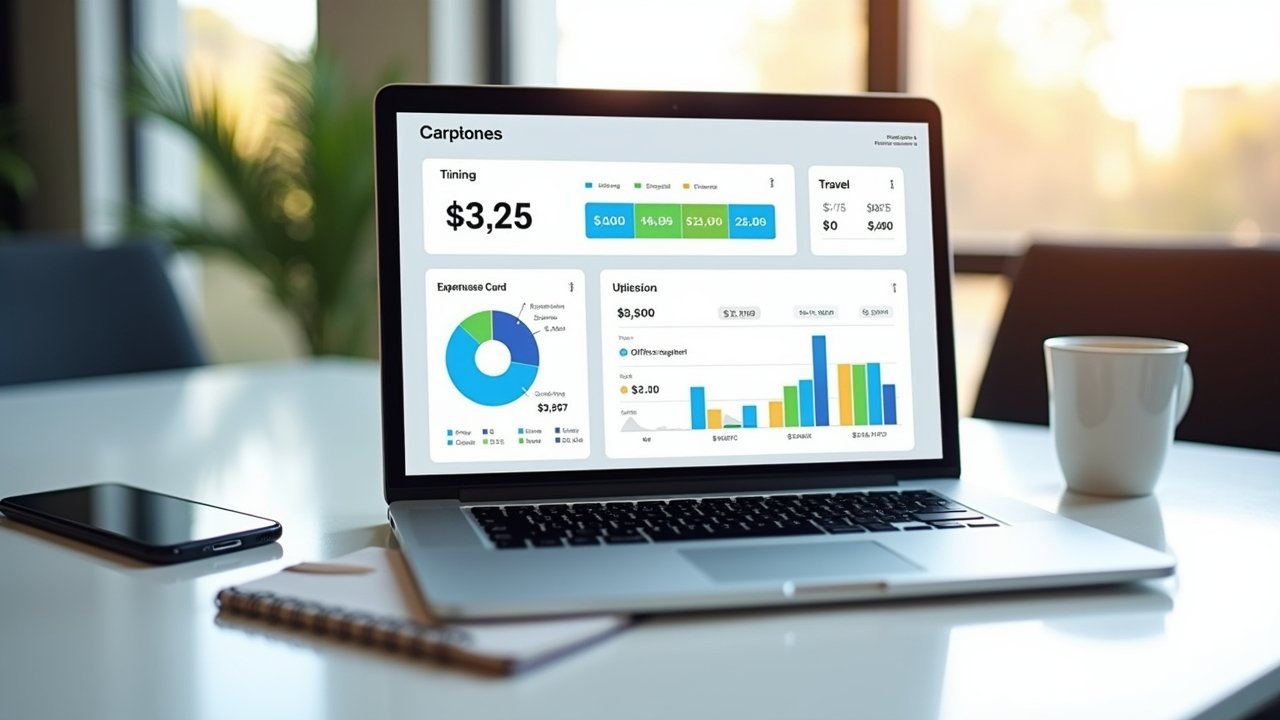
Business Credit Card Tax Deductions: What I Wish I Knew Before My First Audit
Here’s a stat that blew my mind — nearly 30% of small business owners miss out on legitimate tax deductions simply because they don’t track their credit card expenses properly. I was one of them! When I started my little consulting gig about eight years ago, I threw every personal and business expense on the same card and figured my accountant would “sort it out.”
Spoiler alert: she did not sort it out. And I left money on the table that first year — money I really could have used. So let’s talk about business credit card tax deductions, because understanding them can genuinely save you hundreds or even thousands of dollars every tax season.
What Actually Counts as a Deductible Business Credit Card Expense?
The IRS is pretty clear on this one, even if the language feels like it was written by robots. A business expense has to be both “ordinary and necessary” to qualify as a tax deduction. Ordinary means it’s common in your industry, and necessary means it’s helpful for running your business.
So what does that look like on a credit card statement? Think office supplies, software subscriptions, business travel, client meals, and advertising costs. Even that annual fee on your business credit card is deductible — something I didn’t realize until year three, honestly.
Here’s a quick list of commonly deductible expenses charged to business credit cards:
- Office supplies and equipment
- Business travel (flights, hotels, rental cars)
- Client meals (50% deductible in most cases)
- Software and SaaS subscriptions
- Marketing and advertising costs
- Professional development and courses
- Credit card annual fees and interest (if used for business)
For the full breakdown, the IRS guide on deducting business expenses is actually pretty readable. I’d recommend bookmarking it.
The Mistake That Almost Cost Me Big
Okay, storytime. In my second year of business, I was using one credit card for everything. Groceries, gas for personal trips, AND business lunches — all mixed together like some chaotic soup. When tax season rolled around, I had to go through months of statements line by line trying to separate personal from business charges.
It was a nightmare. I’m talking late nights with a highlighter and a spreadsheet that made my eyes cross. I missed a bunch of legitimate deductions because I just couldn’t tell what was what anymore.
Advertisements
The fix was stupidly simple: get a dedicated business credit card. Seriously, that one move changed everything for me. When every charge on a card is business-related, categorizing expenses becomes almost automatic. Many cards even integrate with accounting software like QuickBooks or Xero, which makes bookkeeping way less painful.
Don’t Forget About Credit Card Rewards and Taxes
This is where things get a little weird. Generally speaking, credit card rewards like cash back and points earned from business purchases are not considered taxable income. The IRS typically treats them as a rebate or discount on your purchase, not as income.
However — and this is a big however — sign-up bonuses that don’t require spending might be treated differently. It’s a gray area that trips people up. I personally got a little paranoid about this and asked my CPA directly, which I’d recommend you do too. Better safe than sorry when the IRS is involved, ya know?
Keep Your Receipts (No, Really)
I know everyone says this, and I know it’s annoying. But keeping detailed records of your business credit card purchases is non-negotiable. Your credit card statement alone isn’t always enough to satisfy an audit. The IRS wants to see receipts, invoices, and documentation showing the business purpose of each expense.
Apps like Dext or even just snapping photos of receipts with your phone can save you a world of headache. I started doing this religiously after that first messy tax season, and it’s been a game changer.
Your Tax Season Doesn’t Have to Be a Disaster
Look, business credit card tax deductions aren’t complicated once you set up a good system. Separate your cards, track your expenses, keep your receipts, and review your statements monthly instead of scrambling in April. These small habits was what turned my tax season from a stress-fest into something almost manageable.
Every business is different, so definitely tailor this advice to your specific situation and consult a tax professional when things get murky. And if you want more practical tips on maximizing your deductions without losing your mind, check out the other posts over at Deduction Desk — we’re building a whole library of guides to help you keep more of your hard-earned money.